
Description
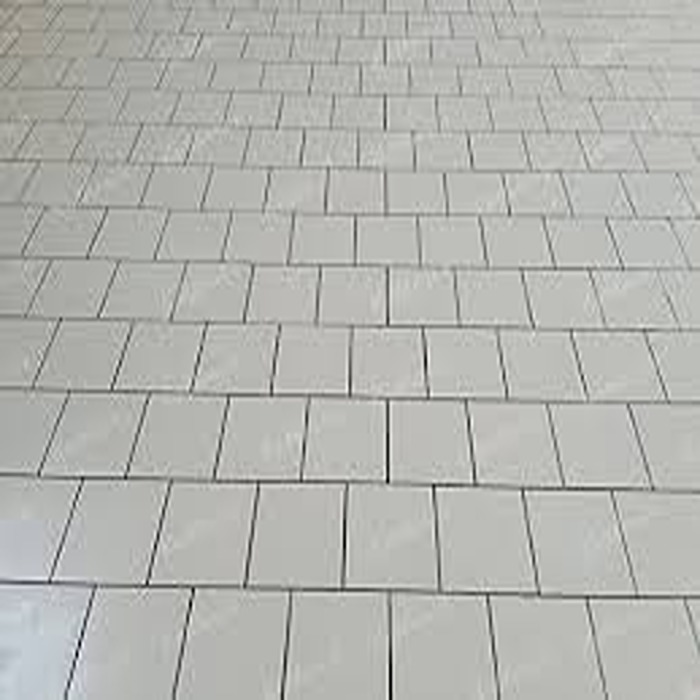
Acid/Alkali Resistant Tiles are high-quality, chemical-resistant tiles designed to provide long-lasting protection against acids, alkalis, salts, and other corrosive substances. These tiles are ideal for industrial floors, chemical plants, ETP plants, storage tanks, drains, foundations, and pits, where surfaces are frequently exposed to harsh chemicals.
Manufactured from premium ceramic and refractory materials, these tiles offer excellent resistance to chemical attack, high temperatures, and mechanical wear, ensuring durability in harsh industrial environments. When combined with chemical-resistant mortars such as Furan, Epoxy, or Vinyl Ester Resin Mortars, they form a leak-proof, impervious, and strong protective lining.
Key Features
Highly resistant to acids, alkalis, salts, and chemical solutions
Durable against high temperatures and mechanical wear
Ideal for industrial flooring, tanks, drains, and pits
Compatible with chemical-resistant mortars for seamless lining
Applications
Chemical plants
industrial floors
ETP plants
storage tanks
pits
drains
Chemical & Temperature Resistance
- Resistant to most inorganic acids (except HF unless specially formulated)
- Excellent resistance to alkalies, salts, and chloride solutions
- Resistant to industrial effluents and chemical spillages
Sizes & Thickness
- Standard sizes: 300×300 mm, 230×115 mm, 200×100 mm
- Thickness: 10mm / 12 mm / 15 mm / 20 mm
- Special sizes and shapes available on request
Sizes & Shapes
- Standard dimensions: 230×114×75 mm, 230×115×38 mm, or as per customer requirement
- Special shapes (L-shaped, channel, semi-circular) available for customized lining ness: 10mm / 12 mm / 15 mm / 20 mm
Surface Finish
- Matt / Anti-skid
- Smooth glazed (where required)
- Custom finishes available for specific applications
Physical & Mechanical Properties
| Property | Typical Value |
|---|---|
| Compressive Strength | ≥ 700 kg/cm² |
| Bulk Density | ≥ 2.0 g/cm³ |
| Water Absorption | ≤ 2% |
| Abrasion Resistance | Excellent |
| Chemical Resistance | Excellent |
- Substrate must be sound, level, and properly cured
- Apply compatible acid-resistant membrane/primer before tile installation
- Tiles to be laid using appropriate acid-resistant mortar (CNSL, Vinyl Ester, Phenolic, Epoxy, etc., as per chemical exposure)
- Maintain uniform joints and fill with compatible acid-resistant jointing compound
- Ensure required slopes prior to installation
- Chemical processing plants
- Effluent treatment plants (ETP)
- Pickling tanks and chemical storage areas
- Industrial floors, drains, and sumps
- Laboratories and battery rooms
- Areas exposed to acids, alkalies, and chlorides
- Packed in wooden pallets / cartons as per size and thickness
- Handle carefully to avoid edge damage
- Store in dry conditions
- Use appropriate PPE during installation
- Follow recommended installation practices
- Use compatible mortar and jointing materials for full chemical resistance
Keywords
- Acid Proof Tiles
- Acid Resistant Tiles
- Acid Resistance Tiles
- Alkali Resistant Tiles
- Alkali Proof Tiles
- Acid and Alkali Proof Tiles
- Acid and Alkali Resistant Tiles
- Corrosion Proof Tiles
- Corrosion Resistant Tiles
- Anti Acid Tiles
- Chemical Resistant Tiles
- Industrial acid tiles
- Acid proof masonry
- Ceramic acid tiles
- Tank lining acid tiles
- High temperature acid tiles
- Silica-based acid tiles